Apple Faces Risk of Higher Device Prices in 2026
Apple may face higher component costs in 2026 as Samsung and SK Hynix plan memory price increases, according to semiconductor supply chain sources.
 Michael Reed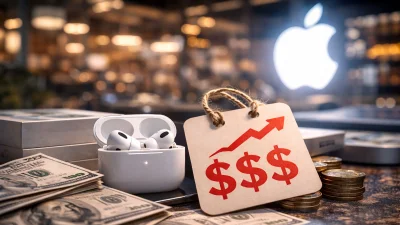
Apple’s supply chain resilience may be facing a new test as memory prices are set to rise, challenging the widely held view that the company can fully shield itself from component cost inflation.
According to Jukan, a semiconductor industry analyst based in Japan, Samsung Electronics and SK Hynix are planning to raise memory prices for Apple starting in January. The move would come as several of Apple’s long-term supply agreements (LTAs) are reaching expiration.
Long-Term Agreements Rolling Off
Apple has historically relied on long-term agreements with key suppliers to secure stable pricing for critical components such as DRAM and NAND memory. These contracts have been a cornerstone of the company’s supply chain strategy, allowing it to smooth cost volatility across product cycles.
However, according to supply chain channel checks cited by Jukan, many of these LTAs are now expiring, potentially exposing Apple to higher spot and contract pricing at a time when the memory market is tightening.
Memory Prices Regaining Momentum
After a prolonged downturn, memory markets have entered a recovery phase driven by:
- AI-related demand for high-bandwidth and server memory,
- inventory normalization across the semiconductor industry,
- and supply discipline from major producers.
Samsung and SK Hynix, which together dominate the global memory market, are increasingly regaining pricing power as demand improves.
Implications for Apple
The expectation among investors has been that Apple’s scale and operational discipline would largely insulate it from component inflation. Jukan argues this assumption may be overly optimistic.
Higher memory prices could pressure Apple’s hardware margins unless the company:
- absorbs the additional costs,
- passes them on to consumers through higher device prices,
- or offsets them via product mix and cost optimisation elsewhere.
In a consumer environment already sensitive to pricing, each option carries trade-offs.
Consumer Electronics Pricing Outlook
Jukan also notes that rising memory prices may have broader implications for consumer electronics pricing. If component costs continue to climb, current price levels for devices may represent a near-term low.
“If you are planning to buy electronics, buy them right now. This is the cheapest they will be,” Jukan wrote, reflecting expectations of higher hardware costs across the industry.
Investors and industry observers will be closely monitoring:
- Apple’s supplier disclosures and margin guidance,
- memory contract pricing trends in early 2026,
- and any adjustments to Apple’s product pricing strategy.
While Apple remains one of the most sophisticated supply chain operators in the world, the next phase of the memory cycle may test the limits of that advantage.
-
 U.S. Home Solar Leader Sunrun Sees Tailwinds From Batteries and Tax CreditsSectors
 -
Volkswagen Opens Its First Full-Cycle Development Hub in ChinaSectors
-
Why AeroVironment Is at the Center of the Global Shift Toward Autonomous WarfareSectors
-
PayPal Shares Revisit 12-Month Lows as Long-Term Valuation Debate ResurfacesSectors
-
dLocal Scales Emerging Market Payments With Stablecoin IntegrationSectors
-
Discount Retailers Gain Momentum as U.S. Consumers Double Down on SavingsSectors