Galaxy S26 to Debut Samsung’s New Anti-Snooping Display
Samsung is introducing a built-in anti-snooping privacy layer for Galaxy devices, allowing sensitive screen areas to remain visible only to the owner.
 Sophia Bennett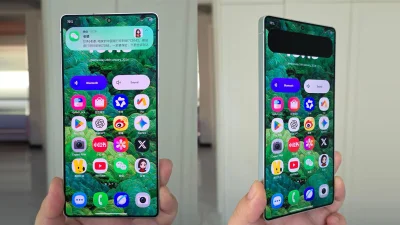
Samsung is preparing to introduce a new system-level privacy feature designed to protect users from shoulder surfing — one of the most common, and least discussed, risks of everyday smartphone use.
As phones increasingly store personal messages, financial data and access credentials, privacy concerns no longer stop at data encryption. They now extend to what can be seen on-screen in public spaces.
Privacy Where Phones Are Used the Most
Smartphones are deeply personal devices, yet they are most often used in public: on public transport, in elevators, cafés or while standing in line. In those moments, sensitive information can be exposed simply by someone glancing at the screen.
Samsung’s new solution aims to address this gap by embedding privacy protection directly into the display experience — without relying on physical privacy filters or screen protectors.
How the New Privacy Layer Works
Unlike traditional privacy glass that darkens the entire screen, Samsung’s approach selectively protects only sensitive areas of the display.
Users will be able to:
- Limit visibility of specific apps
- Protect access fields such as passwords and authentication screens
- Dim notification previews while keeping the rest of the screen readable
The system is fully configurable, allowing users to adjust the level of protection — or disable it entirely — depending on their needs.
Built Over Five Years
According to Samsung, development of the feature took more than five years and involved extensive research into how people use their phones and what they consider private in real-world settings.
The result is a tightly integrated combination of hardware and software that operates at a pixel level, rather than applying a blanket visual filter.
Part of a Broader Security Strategy
The new privacy layer builds on Samsung’s long-standing security framework, including Samsung Knox, which has provided hardware-backed protection for Galaxy devices for over a decade.
While Knox focuses on data security and system integrity, the new feature extends protection to the visual layer — addressing privacy risks that encryption alone cannot solve.
When to Expect It
The feature is expected to debut with the Galaxy S26 lineup, with an official presentation anticipated in February.
Details remain limited, but the direction is clear: privacy is no longer just about securing data in the background — it is becoming something users can actively see and control on their screens.
In an era where smartphones are used everywhere, Samsung is betting that privacy should work everywhere too.
-
 Visa Accelerates Stablecoin Adoption With New Advisory ServicesFintech
 -
Pinterest Enters CTV Arena With Strategic tvScientific AcquisitionFintech
-
Fintech Stocks Hit 15-Year Low: J.P. Morgan Warns of a Tough 2026 AheadFintech
-
What Stablecoin Funding Means for Interactive Brokers ClientsFintech
-
Abu Dhabi Regulator Clears Ripple’s RLUSD for Institutional UseFintech
-
Stablecoins Are Quietly Rewiring Global Payments — CoinbaseFintech