December 1 QT Finale Fuels Expectations of a Fed Return to QE
The Federal Reserve is ending QT, fueling expectations of an early-2026 QE restart and deeper rate cuts as markets anticipate a renewed rally in risk assets.
 Olivia Carter
The Federal Reserve officially ended its quantitative tightening (QT) program on December 1, closing a multi-year phase of balance-sheet runoff that had gradually drained liquidity from the U.S. financial system. The conclusion of QT marks a significant turning point in monetary policy and has intensified expectations that the central bank may be preparing for a renewed period of balance-sheet expansion.
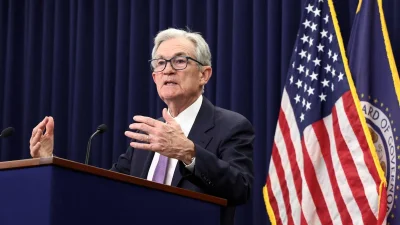
The shift comes just weeks after Chair Jerome Powell signaled at the latest FOMC meeting that the Fed is now assessing the appropriate size of reserves in the financial system — language widely interpreted as an early hint toward eventual quantitative easing (QE). Several Federal Reserve officials have since echoed that the balance-sheet debate is moving into a new stage.
Markets Look Toward 2026 for a Potential QE Relaunch
Following the December 1 QT conclusion, traders increased positioning around a potential liquidity-driven recovery in risk assets during the first half of 2026. Expectations center on the idea that the Fed may need to provide additional support if reserve balances tighten further or if credit conditions weaken.
Market sentiment has also been influenced by the political landscape. With President Donald Trump more than a year into his term, investors anticipate that his administration will continue advocating for a more accommodative Federal Reserve. Speculation has grown that Trump may seek new leadership at the central bank, favoring candidates inclined toward lower interest rates and faster policy easing.
Focus Shifts to Timing of Policy Easing
While the Fed has not committed to any specific steps beyond ending QT, analysts note that the conditions for QE are forming more rapidly than previously expected. Liquidity dynamics in money markets, increasing financing demands across the Treasury curve, and the Fed’s own emphasis on maintaining an ample reserves framework all point toward a potential expansion phase in the year ahead.
Interest-rate futures now reflect higher probabilities of multiple rate cuts throughout 2026, with expectations rising notably after the QT program officially concluded.
As QT transitions into a new policy phase, investors are closely watching whether the Fed will move decisively toward QE — a development that could shape the direction of global markets throughout 2026.