NVIDIA CEO Says He’s Thrilled About the Robots Elon Musk Is Developing
NVIDIA CEO Jensen Huang says Elon Musk’s humanoid robot Optimus could spark new industries — from robot mechanics to robot apparel — as robotics becomes a mainstream consumer market.
 Sophia Bennett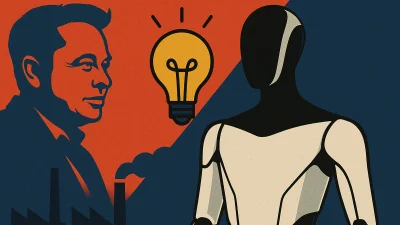
NVIDIA CEO Jensen Huang says he is “thrilled” about the humanoid robots Elon Musk is developing — especially Optimus — predicting that the rise of general-purpose robotics will create entirely new industries, from robot mechanics to robot fashion.
Speaking about the future of AI-powered machines, Huang emphasized that Musk’s Optimus project represents more than technological innovation. It marks the beginning of a new economic era, where robots become customizable consumer products supported by dedicated service ecosystems.
“I’m super excited about the robots Elon Musk is working on,” Huang said. “When this happens, there’s a whole new industry of technicians. A job that never existed.”
Huang suggested that as Optimus and similar humanoid robots enter homes and workplaces, service infrastructure will emerge naturally — just as automotive and computer industries spawned specialized professions.
Robot Apparel and Customization: A New Market
One of Huang’s most striking predictions involves robot aesthetics. As he noted, consumers often want personalization, whether in smartphones, cars, or digital avatars. Humanoid robots, he argues, will be no different.
“You’re gonna have robot apparel. Because I want my robot to look different than your robot,” Huang said.
This implies a future market of fashion designers and manufacturers creating clothing, skins, and accessories for robots like Optimus — turning machines into personal lifestyle statements.
Robot Technicians and Mechanics: Jobs That Don’t Exist Yet
Huang also pointed out that robots will need maintenance, upgrades, and repairs, leading to a new wave of technicians specializing in robotics hardware and AI-driven systems.
The idea of “robot mechanics” may sound futuristic today, but Huang believes it will be a standard profession once humanoid robots become widespread.
Robots With Their Own Economy
Huang’s comments reflect a broader shift in the robotics landscape. The combination of AI acceleration, falling hardware costs, and Musk’s ambition for mass-market humanoid robots suggests a future where consumers rely on robots daily — and spend money on both functionality and personalization.
“We are really heading toward a future where your robot needs a mechanic and a personal stylist,” he said, outlining an entirely new micro-economy built around machines like Optimus.
-
 Google and Amazon Target Nvidia’s Weak Spot With Custom AI Inference ChipsAI & Automation
 -
Mickey, Marvel and Star Wars Are Coming to OpenAI’s SoraAI & Automation
-
OpenAI Faces Toughest Rivalry Since 2022AI & Automation
-
Nvidia Regains China Access After Months of “Zero Sales” ForecastsAI & Automation
-
Zeta Global Emerges as a Structural Winner in AI-Driven MarketingAI & Automation
-
AI Hype vs. Reality: Tech Experts Challenge Wall Street’s Bullish NarrativeAI & Automation